Skip to navigation Skip to main content

Master of Arts in Fashion Design - Pathways in Accessory Design, Fashion Design, Knitwear Design, Fashion Art Direction.

Master of Arts in Fashion Design - Pathways in Accessory Design, Fashion Design, Knitwear Design, Fashion Art Direction

Download the brochure

At the heart of the world’s undisputed fashion capital and its leading maisons, the Master of Arts program aims at transmitting and reinventing the excellence that led Paris to become the center of avant-garde and high-end fashion. It embodies the identity and values of Paris as an inclusive artistic platform, home to the greatest international fashion designers and couturiers, at the crossroads of cutting-edge design, exceptional craft know-how and sustainable innovation.

Audience

The Accessory Design, Fashion Design and Knitwear Design pathways are intended for designers who hold a Bachelor of Arts degree in fashion design, accessory design, knitwear design, textile design, product design, jewelry design, architecture or fine arts.

The Fashion Art Direction pathway is intended for creatives who hold a Bachelor degree in any field related to photography, cinema, visual arts, design, writing, marketing or management.
Practical information

Type:
Master of Arts
Format:
Full time
Duration:
2 years

including a 6-month internship

Type of degree:
Master degree

The MA in Fashion Design leads to a diploma “Créateur concepteur de mode”, accredited by the French Ministry of Higher Education and conferring the grade de master (master’s degree), as published in the Official Bulletin number 29 of 16 July 2026, by order of 24 June 2026, and registered at RNCP level 7 under reference RNCP42678, NSF codes 240, 241n and 242.

Next intake:
September 2027
Tuition fees:
for academic year 2027/2028

1st year: €15,200 (EU/EEA) / €24,600 (Non-EU/EEA)

2nd year: €10,900 (EU/EEA) / €16,000 (Non-EU/EEA)

Lifetime contribution to the IFM Alumni Association: €470.

Thanks to the generosity of the IFM Foundation, need-based scholarships are available for students from the European Economic Area (European Union, Norway, Liechtenstein, and Iceland) under 30 years of age on September 1 of the academic year.

You may also apply for the IFM MA Excellence scholarship which is open to all Year 1 applicants.

Language:
English
Location:
Institut Français de la Mode

34 quai d'Austerlitz, 75013 Paris

Audience

The Accessory Design, Fashion Design and Knitwear Design pathways are intended for designers who hold a Bachelor of Arts degree in fashion design, accessory design, knitwear design, textile design, product design, jewelry design, architecture or fine arts.

The Fashion Art Direction pathway is intended for creatives who hold a Bachelor degree in any field related to photography, cinema, visual arts, design, writing, marketing or management.

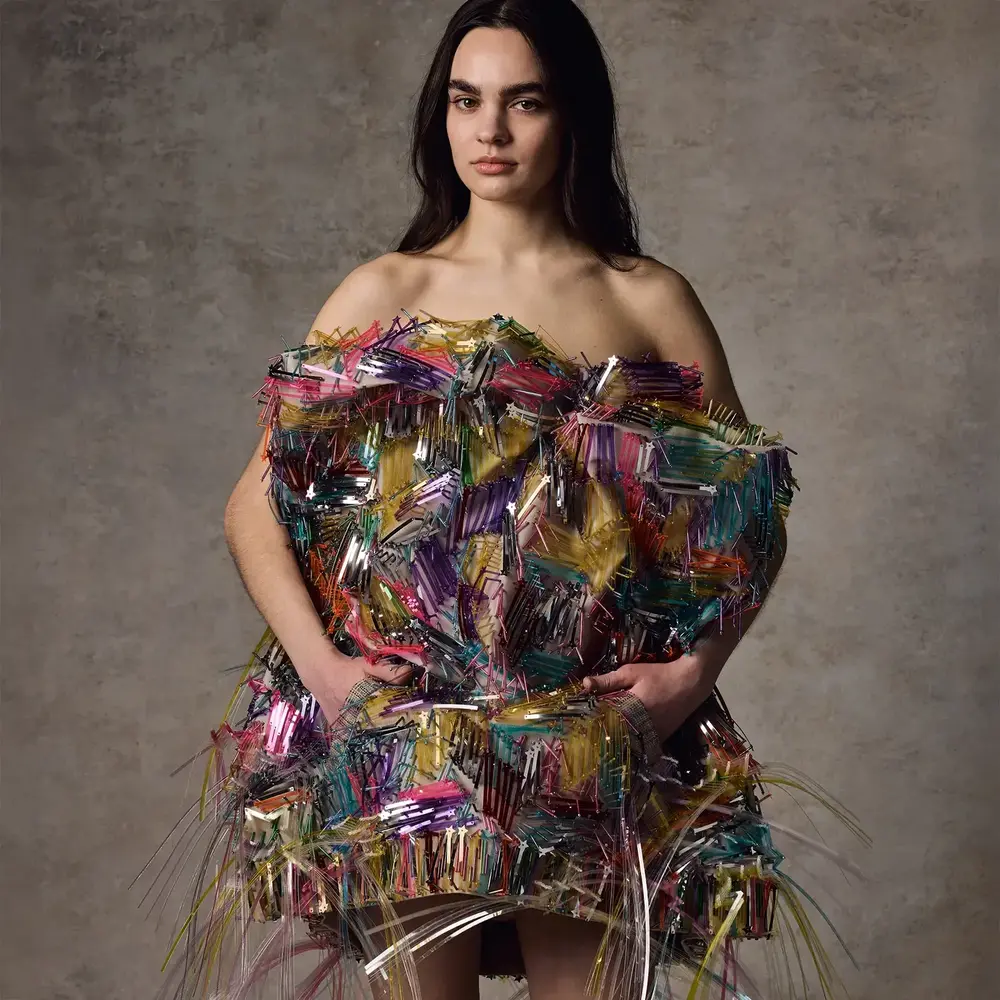
© Design Borja Fernández García, Photo Guillaume Roujas
MA Graduate Show 2026 ©Titre Provisoire

Program

Led by French and international fashion professionals and prominent faculty in the field, the Master of Arts allows students to expand their knowledge and practice while investigating innovative solutions to the challenges currently faced by the fashion industry.

During their two years in Paris, students acquire a high level of expertise and are provided with networking opportunities through forward-thinking collaborations with Parisian fashion and luxury Maisons.

The Master of Arts at Institut Français de la Mode is the only graduate program in fashion design among all private institutions of higher education with a university Master “Grade” recognition given by the French State (Official Bulletin BOESRI n°29 of 16 July 2026, by order of 24 June 2026).

It is also the only program with an annual Graduate Show included in the official calendar of the Paris Fashion Week®.

Projects

The MA is a project-based program strongly rooted in the Parisian fashion ecosystem, offering students direct exposure to the industry and its diverse professional practices.

In each Design pathway, the program combines short masterclasses and longer purpose-driven projects, some developed in partnership with leading fashion brands. Several of these Maisons such as Balenciaga, Celine, Chanel, Chloé, Dior, Hermès, Louis Vuitton or Saint Laurent are active members of the IFM Foundation.

In the Fashion Art Direction pathway, the program is articulated around a series of seminars, workshops and projects in partnership with leading fashion agencies and brands. In Year 1, students work primarily in groups on intensive projects led by high-level professionals with a focus on visual artistic direction, visual identity, editorials, visual merchandising, fashion shows and window design. Some projects involve independent art directors, others rely on the participation of partnering Parisian Maisons.

For all students, the second year of the MA focuses on the capstone project, the culminating expression of every designer’s personal sensibility, experience, skills and areas of interest. During this extensive project, students have the opportunity to work with designers, research mentors and industry advisers, gaining experience in a real-life context. They present their work to a panel of guest professionals, including talent acquisition experts who support their transition to professional life after graduation.

After the Graduate Show, students must undertake a 6-month internship in a Maison to complete the program. They choose their internship based on their skills and objectives. Opportunities extend beyond the many Maisons that support the IFM Foundation to include the studios of leading fashion and luxury companies in Paris, Milan, London or any other city, as well as independent fashion studios.

Curriculum

The curriculum includes 80% practice-based specialization courses and 20% cross-disciplinary courses involving the students of all the MA pathways.

Language courses

Language courses are an integral and mandatory part of the MA curriculum at IFM. Students from all pathways take French classes, while French-speaking students take Italian classes instead. All language courses are provided at no additional cost.

Cross-Disciplinary Electives

Multiple elective courses are offered to all Master's students in design and management, enabling them to broaden their interdisciplinary knowledge and to develop group projects together on topics they wish to explore in greater depth (humanities, sustainability, technology and AI, entrepreneurship, communications). These cross-disciplinary electives aim to develop specific expertise in these areas and to allow students to collaborate with profiles from a variety of backgrounds.

Campus Resources

The MA studios are located on IFM’s campus at 34 Quai d’Austerlitz, along the river Seine.

In each pathway, students work in a design studio with dedicated spaces. They develop their projects and prototypes in one or more specialized labs with the most qualitative and recent technical equipment.

A digital technology and making space and a photography studio shared by all pathways are also available.

The library at Institut Français de la Mode aggregates the most relevant resources and information on fashion, design and the arts, while providing students with a dedicated space for study and research.

Master's degree

In order to graduate from the program, students must have been enrolled in the program for at least four semesters, fulfilled the requirements of all courses, validated the capstone project along with their portfolio and dissertation, completed a six-month internship or equivalent professional experience in Paris or abroad, and successfully presented their internship report.

IFM's Master of Arts degree (diplôme de créateur concepteur de mode) is accredited by the French Ministry of Higher Education and Research (Official Bulletin BOESRI n°29 of 16 July 2026, by order of 24 June 2026) and registered at level 7 (Master level) in the Répertoire National des Certifications Professionnelles (RNCP42678). This accreditation entitles non-EU students who have graduated from the program to apply for a "Job Seeker/Business Creator" temporary residence permit which allows them to stay and work in France for up to 12 months to either find a job or create a business related to their studies or research.
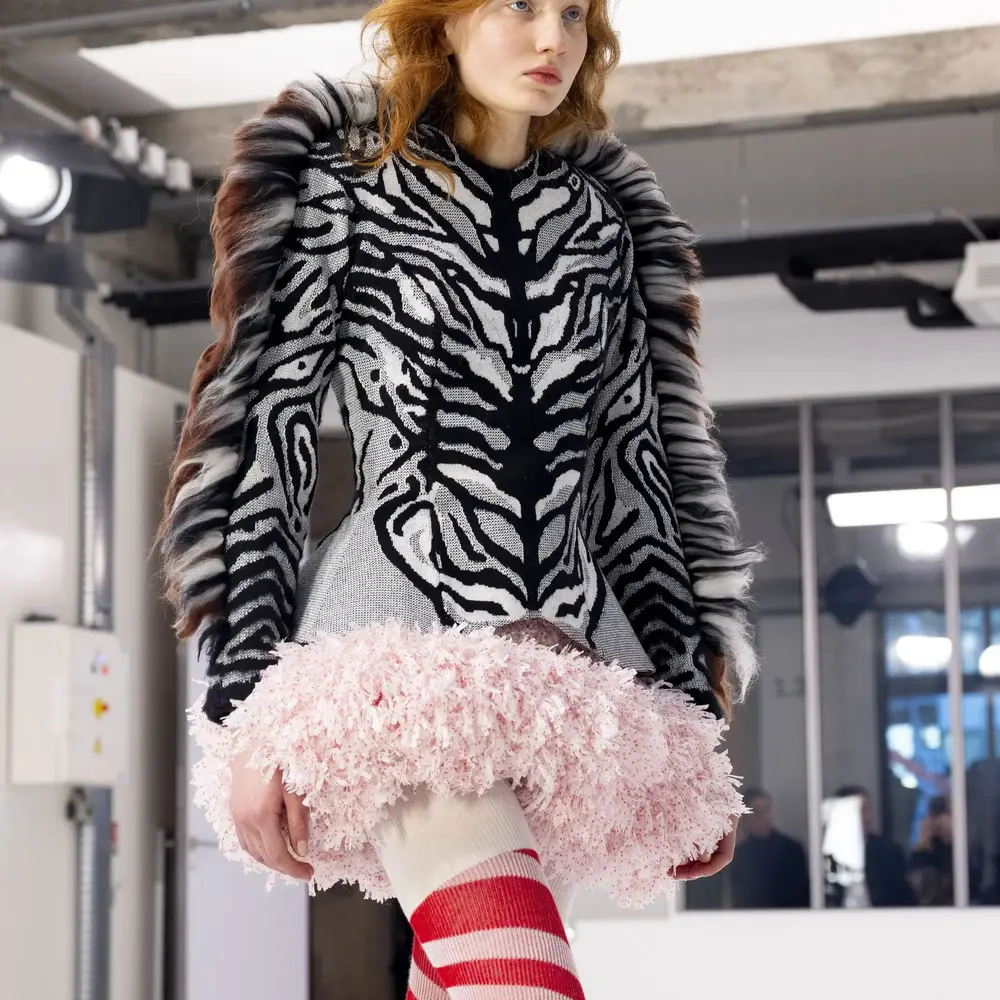
© Design Nikki Kähr, Photo Guillaume Roujas

In the Accessory Design pathway, students address the contemporary field of fashion accessories as a diversified set of creative practices and methods. In the first year of studies, the program fosters design research, artistic experimentation, and sustainable thinking with a focus on bag design. It is complemented by short company projects and workshops around other typologies of accessories such as shoes, fashion jewelry, or headwear. In the second year, students delve into one or more typologies of accessories for their Capstone Project and deepen their professional knowledge by benefiting from the expertise of French and Italian manufacturers specialized in the chosen fields.

Students work alongside highly experienced designers, technicians and artisans within dedicated ateliers to develop innovative projects translated into materials and prototypes at the intersection of advanced crafts and digital technologies. They participate in company projects with fashion and luxury Maisons.

The program prioritizes research and collaborations focused on the implementation of sustainable and ethical design solutions.

At the end of their studies, the graduating students show their accessories collections in an artistic setting during Paris Fashion Week®.

By following this two-year program, MA Accessory Design graduates earn 120 ECTS university credits plus 15 extra credits following the professional internship.

© Design Oihana Lasa & Photo Pauline Scotto di Cesare

The Fashion Design pathway balances the exploration and refinement of individual creative identities with technical excellence and close engagement with the fashion industry, encouraging young designers to develop innovative yet grounded approaches to fashion that respond to the diversity of cultures, bodies and needs.

Through a unique series of seminars, forward-thinking projects and collaborations with leading Parisian Maisons, luxury groups and emerging fashion brands, students are prepared to take their practice to the next level professionally.

This program explores the diverse forms of fashion expressions, practices and craftsmanship that have shaped Paris into the world’s capital of fashion, from ready-to-wear to haute couture and the emerging hybrid approaches that bridge the two.

The program embraces a gender-inclusive approach to fashion design, allowing students to explore womenswear, menswear or gender-fluid expressions according to their individual creative vision, without being constrained by rigid gender boundaries.

The program prioritizes research and collaborations focused on the development of sustainable, ethical and inclusive design solutions.

At the beginning of their last semester of studies, students gain firsthand experience of presenting a fashion show during Paris Fashion Week® and work closely with professional stylists, photographers, artistic directors and show producers to enhance and promote their capstone collection. Each year, a selection of collections by graduating students opens Paris Fashion Week®.

By following this two-year program, MA Fashion Design graduates earn 120 ECTS university credits plus 15 extra credits following the professional internship.
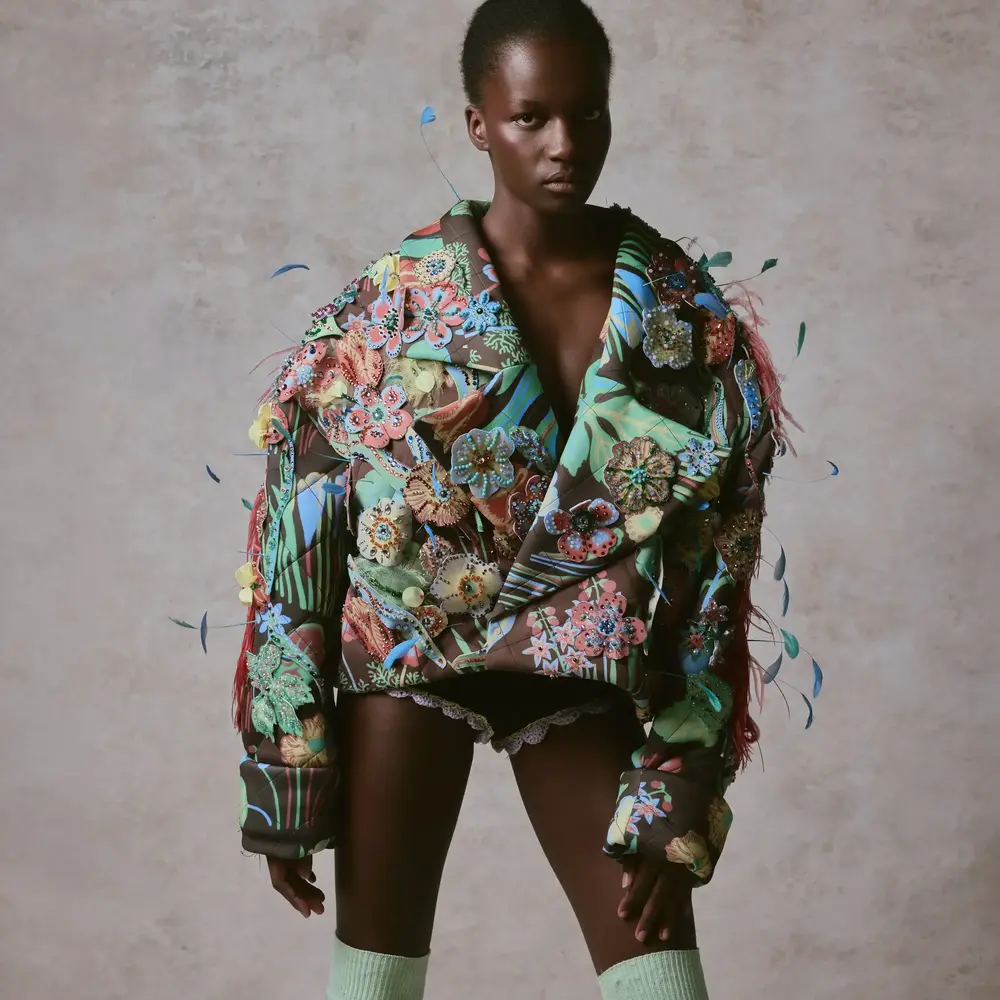
© Design Nikki Kähr, Photo Guillaume Roujas

The Knitwear Design pathway is the first of its kind in France. Taught by the best experts in the field and by highly qualified technical instructors in specialized studios with state-of-the-art equipment, it focuses on artistic experimentation, sustainable design, contemporary craftsmanship and technological innovation.

Through the extensive links of the program to the knitwear industry, students learn from key players in the field, from in-house knitwear heads of design and designers to independent ones, and from yarn spinners to manufacturers from all over Europe.

The program allows students to explore and develop a strong personal style and design signature through experimental projects, knitwear programming workshops and collaborations with the industry. At the end of the curriculum, they are mentored by knitwear designers operating in the most renowned Parisian fashion houses to produce an exhaustive research and collection.

At the beginning of their last semester of studies, students embrace the fashion show experience and collaborate closely with professional stylists, photographers, artistic directors and show producers to enhance and promote their final collection. Each year, a selection of collections by graduating students open Paris Fashion Week® every year.

By following this two-year program, MA Knitwear Design graduates earn 120 ECTS university credits plus 15 extra credits following the professional internship.
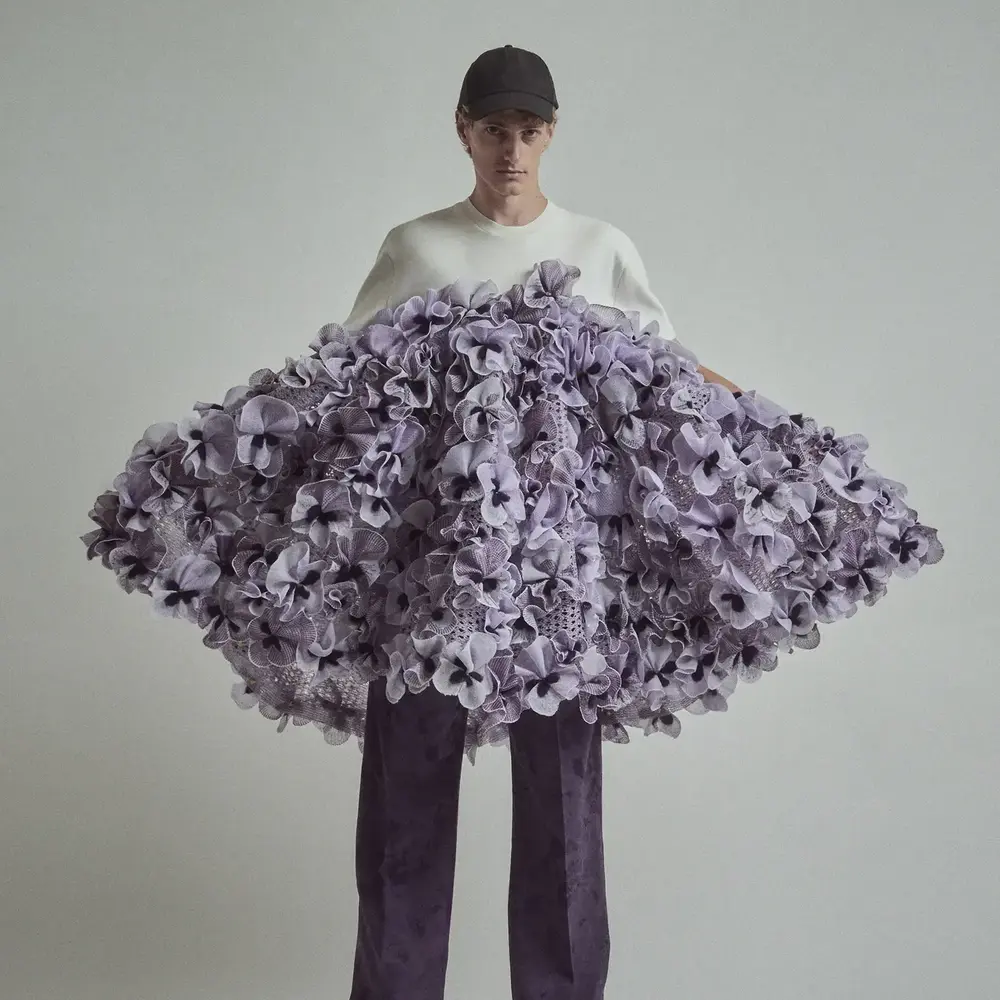
© Design Gašpar Marinič, Photographe Thomas Nicol
MA Graduate Show 2026 - Knitwear Design Pathway ©Titre Provisoire

Shaping the Visionaries of Contemporary Fashion Art Direction

Critical Inquiry, Conceptual Thinking, and Creative Practice

Through a unique two-year academic and artistic journey, students learn to contextualise and articulate creative ideas with depth, developing inspirational visual concepts and forward-thinking projects that respond to the evolving and increasingly complex fashion landscape.

This project-based programme brings together international lecturers and mentors spanning the breadth of the discipline, who accompany students in the conception and realisation of ambitious, research-driven creative outcomes through both individual practice and collaborations with industry partners. Students explore how images, visual identities, and fashion narratives are constructed, while forging their own visual language and creative tools to challenge conventions and introduce new perspectives to fashion.

At the heart of exceptional fashion art direction lies the ability to articulate a clear vision and communicate ideas with confidence across creative teams, clients, and peers.

The programme therefore combines intensive professional and artistic training with hands-on workshops, critical theory classes, encounters and discussions with some of the field’s most forward-thinking art directors, photographers and graphic designers, collaborations with leading and emerging fashion brands, and immersive field trips. It also includes dedicated sessions in project management, teamwork and organisation, communication strategies, and presentation skills. Photography, video, software, digital techniques, and AI tools are integrated throughout the curriculum, equipping students to use them confidently, thoughtfully, and with a critical perspective.

The final semester prepares students for professional life through a six-month internship with a fashion brand, art direction agency, creative studio, media company, or magazine. Alternatively, students can develop their own independent professional structure, gaining valuable experience while establishing their career in visual art direction.

By following this two-year program, MA graduates earn 120 ECTS university credits plus 15 extra credits following the professional internship.
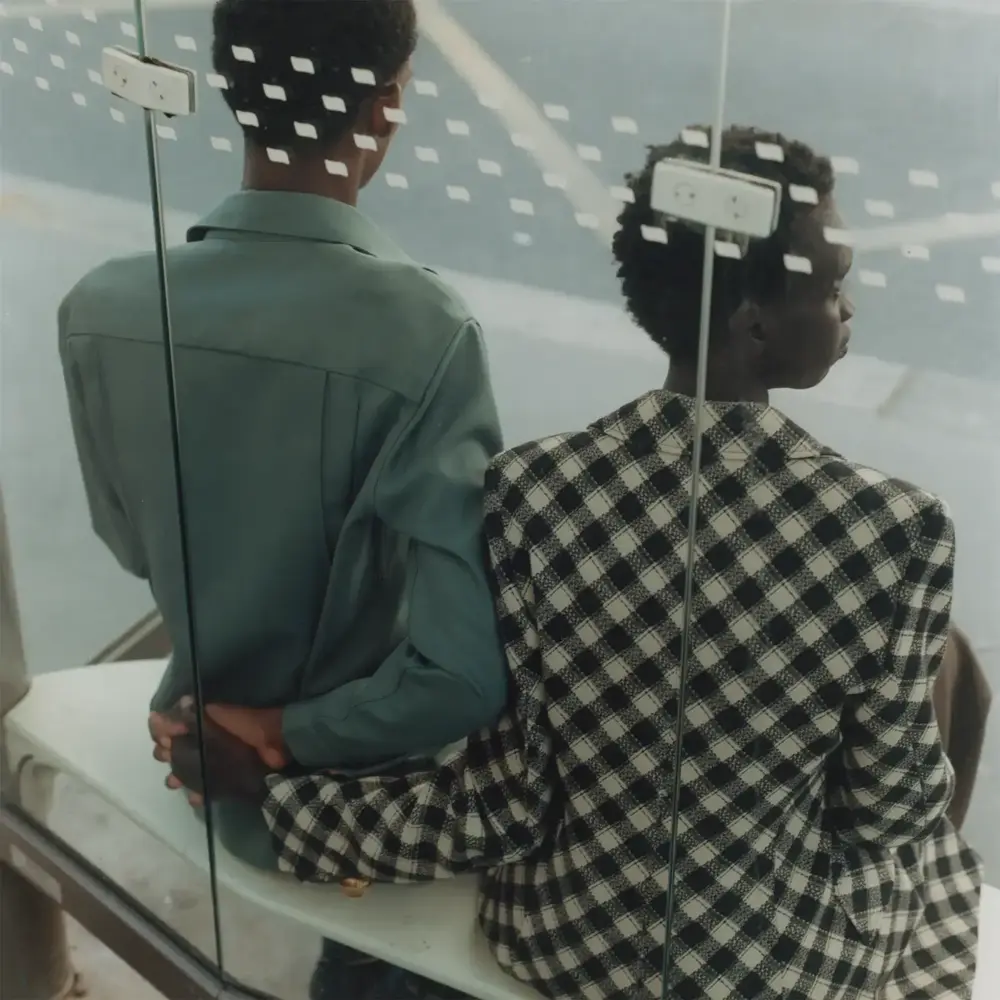
© Art MA in Fashion Image x Ami Paris Magazine Workshop - Art Direction ©Alexia Gioacchini, Cy An, Kama Krystel, Yasmine Mouton, Antonia Weinrich

During the year, we will be organizing various events so that you can meet us, visit our premises and ask any questions you may have :

  • The IFM Open Day will take place on Saturday, 30 January from 9:00 am to 6:00 pm. ➔ Register

The Master of Arts program is headed by Eglė Čekanavičiūtė.

Accessory Design

Pathway Director & Design Professor: Hugues Bermond & Ana Xenia Ene Pienescu

Bag Development & Technology: Carole Gauthrot & Hugo Vignon

Guest Lecturer Shoe Design: TBC

Guest Lecturer Jewelry Design: Philipp Eberle

Material Lab & Industrial Processes: Julia Sachers

Sustainability: Arnaud Khodjamirian

Italian: Elvina Cohen

Illustration: Maya Belikova

Fashion Design

Pathway Directors & Design Professors: Daniele Toneatti & Déborah Macquart

Creative Pattern Making: Gianfranco Scotti

Development & Technology: Dat Vu

Material Lab: Natalie Finch

Sustainability: Luke Stevens

Knitwear Design

Pathway Director & Design Professor: Adam Jones

Development & Technology: John Bellord

Knitted Construction: Anita Pottier

Material Lab: Stéphane Laliève

Sustainability: Shanon Poupard

Illustration: Maya Belikova

Fashion Art Direction

Pathway Directors & Professors: Alice Litscher, Martina Tiefenthaler & Stéphane Wargnier

Guest Lecturers: Cyrielle André ; Julia Andréone ; Marc Asekhame ; Antoine Asseraf ; Christelle Bakima; Lars Byrresen Petersen ; Rotem Rachel Chen; Julien Discrit ; Emilie Ferrat ; Gian Gisiger ; René Habermacher ; Heiko Keinath ; Katharina Krawczyk ; Constanza Lopes & Caroline Sieurin ; Elisabeth Mestdagh; Juliana Müller ; Gonzalo Padilla; Patrick Remy; Lia Rochas-Páris ; Etienne Russo ; Séphora Talmud ; Benjamin Torres; Pz Today; Valter Törsleff ; Sonja Umstätter

Interdisciplinary courses

The cross-MA courses shared by all MA pathways involve professors, researchers and professional experts in:

Fashion Theory

Benjamin Simmenauer ; Sarah Banon ; Adrian Kammarti ; Pierre-Jean Desemerie ; Manon Renault

Sustainability Practices

Dr Andrée-Anne Lemieux ; Arnaud Khodjamirian

Digital Technologies

Giovanna Casimiro ; Alessandro Carabini ; Jean Jaulhiac ; Ianis Lallemand ; Eva Ohayon

Professional Development

Tugce Erkan

Portfolio Design

Emilie Ferrat & Boris Camaca

Fashion Business

Agathe Romero-Verdeil ; Jean-Baptiste Groulier

Cross Disciplinary Electives

Giovanna Casimiro ; Thomas Delattre ; Lucas Delattre ; Andrée-Anne Lemieux ; Georgia Mota ; Léo Migotti ; Benjamin Simmenauer ; Sarah Banon ; Franck Delpal ; Tianrong Lu

All pathways of the Master of Arts program prepare international designers to start relevant careers in the industry before becoming specialized designers, heads of design or creative directors in the most renowned Paris-based and international companies. It can also lead them to work as freelance designers or develop an entrepreneurial project for the launch of their own brand or creative agency.

The Career Services department supports the professional evolution of MA students and graduates during their studies and after graduation. Meetings and training seminars are organized with the human resources teams of Paris-based and international fashion and luxury companies, as are on-campus talent and career events including portfolio presentations and showrooms.

The Career Services department also provides one-to-one professional coaching to actively assist graduating students in their internship or job search process. It is supported by the IFM Foundation members and relies on a unique network of IFM Alumni.

MA graduates are currently active in Paris Maisons and international fashion houses, from Dior to Chanel, Balenciaga, Saint Laurent, Louis Vuitton, Hermès, Celine, Maison Margiela, Bottega Veneta, Loewe, Prada, Chloé, Kenzo, and many other established and emerging brands.

Tuition fees for academic year 2027/2028*:

1st year: €15,200 (EU/EEA) / €24,600 (Non-EU/EEA)

2nd year: €10,900 (EU/EEA) / €16,000 (Non-EU/EEA)

European Union fees also apply to member countries of the European Economic Area (Norway, Liechtenstein and Iceland).

Lifetime contribution to the IFM Alumni Association: €470.

Please note there is a non-refundable €120 application fee.

Upon admission into the program, the selected candidates will need to pay a deposit to confirm their spot in the program (€4,000 for EU/EEA students and €6,000 for non-EU/EEA students). These amounts may be adjusted for the recipients of an IFM Foundation need-based scholarship.

Thanks to the generosity of the IFM Foundation, need-based scholarships are available for EU students under 30 years of age on September 1 of the academic year.

Scholarships

1. IFM Foundation need-based scholarships

Thanks to the generosity of the IFM Foundation, need-based scholarships are available for students from the European Economic Area (European Union, Norway, Liechtenstein, and Iceland) under 30 years of age on September 1 of the academic year. These scholarships are not cumulative with the IFM MA Excellence scholarship below. You can apply to both and if eligible, you will receive the scholarship which is most advantageous to you.

To apply for a scholarship, please complete the scholarship application form downloadable from the application website and submit it with your application form. More information can be found in the FAQ section of this page.

2. IFM MA Excellence scholarship

Each year, the IFM Foundation awards one Excellence Scholarship intended for Year 1 applicants who demonstrate excellent design skills, academic ability and leadership potential, with an original vision and project. It is open to candidates from all over the world, with no distinction of nationality, background, age or gender, and with no regard to their financial situation. To apply, tick the Excellence scholarship box in the 'Financing your studies' section of your application profile. More information can be found in the FAQ section of this page.

3. CROUS scholarships

The program is eligible for national scholarships from the CROUS. You should check the conditions of eligibility on the Crous website.

We also recommend that you consult the Campus France website to learn of other potential scholarship opportunities.

The application portal for 2027 intake will open on 7 January 2027.

Applications for Year 1

Admissions requirements

The course is open to students who have obtained a 3-year Bachelor of Arts degree in fashion design or other fields of design related to the MA specializations such as accessory design, product design, textile design, knitwear design, jewelry design, etc.

Applications from students in fine arts, visual arts or architecture can also be considered. In the Fashion Art Direction pathway, graduates in fashion management, photography, graphic design, visual merchandising or media studies are allowed to apply.

All courses of the MA curriculum are taught in English: a CEFR C1 Level* is required for applicants who are not native English speakers or have not spent at least three years studying at a university where English is the official language of instruction, ideally in an English-speaking country.

*Refer to the Frequently Asked Questions section for more details.

Admissions process

The admissions process consists of two steps:

  1. First the submission of a detailed application file and portfolio (check the section “Frequently Asked Questions” to find out more about the portfolio requirements for each pathway)
  2. If your application is selected, you will be invited to take part in an online interview with the pathway’s faculty. If you’re applying for the pathway in Fashion Art Direction, you will receive a remote jury assignment, to be completed before the interview.

Please note there is a non-refundable €120 application fee.

Candidates can apply only once a year and no more than twice. They can only apply to one pathway and choose a second/third one (as alternative options) if applicable.

This program is also available through the VAE program. Click here to learn more about the application process (in French).

Admissions sessions

You may choose the session you wish to apply for, but you can only apply to one. For visa purposes, we recommend international students to apply as soon as possible, in anticipation of visa processing times.

There will be three sessions of admissions for the pathway in Fashion Design, and two sessions for the pathways in Accessory, Knitwear and Fashion Art Direction.

Fashion Design Pathway Admissions Sessions

Session 1 – January 2027

  • Deadline for submission of application file: Sunday 17 January 2027 (until 11:59 pm)
  • Notification of eligibility: 5 February 2027 at the latest
  • Interviews: 10 – 12 February 2027

Session 2 – February 2027

  • Deadline for submission of application file: Sunday 28 February 2027 (until 11:59 pm)
  • Notification of eligibility: 26 March 2027 at the latest
  • Interviews: 5 – 9 April 2027

Session 3 – May 2027

  • Deadline for submission of application file : Sunday 9 May 2027 (until 11:59 pm)
  • Notification of eligibility : 31 May 2027 at the latest
  • Interviews: 8 – 11 June 2027

Knitwear Design Pathway Admissions Sessions

Session 1 – February 2027

  • Deadline for submission of application file: Sunday 28 February 2027 (until 11:59 pm)
  • Notification of eligibility: 15 March 2027 at the latest
  • Interviews: 22 – 26 March 2027

Session 2 – May 2027

  • Deadline for submission of application file : Monday 17 May 2027 (until 11:59 pm)
  • Notification of eligibility : 1 June 2027 at the latest
  • Interviews: 7 – 11 June 2027

Accessory Design Pathway Admissions Sessions

Session 1 – February 2027

  • Deadline for submission of application file: Sunday 28 February 2027 (until 11:59 pm)
  • Notification of eligibility: 19 March 2027 at the latest
  • Interviews: 30 March – 2 April 2027

Session 2 – May 2027

  • Deadline for submission of application file : Wednesday 5 May 2027 (until 11:59 pm)
  • Notification of eligibility : 24 May 2027 at the latest
  • Interviews: 3 – 8 June 2027

Fashion Art Direction Pathway Admissions Sessions

Session 1 – February 2027

  • Deadline for submission of application file: Sunday 21 February 2027 (until 11:59 pm)
  • Notification of eligibility: 16 March 2027 at the latest
  • Interviews: 30 March – 2 April 2027

Session 2 – May 2027

  • Deadline for submission of application file : Sunday 2 May 2027 (until 11:59 pm)
  • Notification of eligibility : 26 May 2027 at the latest
  • Interviews: 7 – 11 June 2027

©Titre Provisoire

Master of Arts in Fashion Design: Leyla Neri, Director of the program

Meet Leyla Neri, Director of the Master of Arts in Fashion Design, as she presents the program.

©Titre Provisoire

Master of Arts in Accessory Design: Chan Yeong

Originally from South Korea, Chan joined Institut Français de la Mode after completing a bachelor’s degree in shoemaking. He enrolled in the Master of Arts in Fashion Design, specializing in Accessory Design. Drawn to craftsmanship and the precision of technique, he shares his background and insights on a program that celebrates know-how and the art of making.

©Titre Provisoire

Master of Arts in Accessory Design: Gal

Meet Gal from Israel. After completing his Bachelor’s in Fashion Design, he joined IFM. While he initially focused on Fashion Design, he later chose to specialize in Accessories and discovered a true passion for shoe design.

Master of Arts in Knitwear Design: Tati Haupt

Tati talks about her creative signature, the techniques she uses at the crossroads of craftsmanship and industry, allowing her, from a blank page, to breathe her personality into her creations. Her collection is inspired by her mother and late grandmother, highlighting the power of women in different eras and societies. Using vivid colors, eye catching slogans, and also details to imitate hair in different body parts, her work generates interesting conversations and discussions!

Master of Arts in Fashion Design: Meng Che Chiang

Meng Che, Menswear Designer, finalist at Hyères 2021 festival, talks about the exceptional and collaborative study conditions in Paris, at IFM, connected to the industry in a deeply creative environment. He talks about his vision of the profession of Fashion Designer and shares his personal approach to creation.

Master of Arts in Fashion Image: Aron Meier

Aron worked in an advertising agency before joining IFM. He tells us about the international network he built, the personal creative exploration that the MA in Fashion Image program allows, the "real life" experience, connected to brands, and the variety of AD expression he approached through these different collaborations.

Application process

I’m hesitating between two pathways, can I apply to both?

If you are interested in the Design pathways only (Fashion, Accessory or Knitwear)

You must apply for your first-choice pathway. When completing your application profile, you will have the opportunity to indicate your interest in a second pathway.

Your application will first be reviewed for your chosen pathway. If you are not selected but your overall level and academic background meet the requirements of your second choice, your application may also be considered for that pathway.

In some cases, the reading committee may suggest that you consider a pathway different from the one you originally applied for. You will, of course, remain free to accept or decline this opportunity.

Please note that you can upload only one portfolio. If you are interested in several pathways, make sure it includes sufficient creative work to allow the committee to assess your suitability for each of them.

If you are interested in a Design pathway and the Fashion Art Direction Pathway

These pathways have different portfolio requirements, so you cannot apply simultaneously to these pathways and must choose which one to apply for before submitting your application.

For the Fashion Art Direction pathway, your portfolio must reflect the specific creative and technical requirements of the programme, with a particular focus on your visual practice (photography, video, drawing, etc.). All projects presented in your portfolio should be image-oriented.

If you have a background in fashion design, the committee needs to understand that your primary interest lies in creating images rather than designing garments. Your garment designs will not be assessed. Instead, they will focus on your moodboards, storytelling, the ideas and perspectives conveyed through your projects, and your intention to create images. We therefore expect to see at least some projects that are not fashion design projects but are specifically focused on image creation.

If you come from a non-artistic background, your portfolio should demonstrate your visual sensibility and creative interests through moodboards, references, and examples of your creative practice (photography, videography, drawing, etc.).

I am currently finishing my Bachelor's degree, what documents do I need to provide?

If you are in your final year of a Bachelor’s degree, we will need the following documents – Make sure to have all required documents* uploaded. If your application is incomplete, it won’t be considered :

  • The official transcripts of your three last years of studies* (undergraduate studies) – by the time of application if you still have not your grades / credits of your current academic year, you need to submit the grades of the first and second year of undergraduate studies.
  • The official copies* (translated into French or English) of your high school diploma (or equivalent – A Level, Abitur, IB, etc..) or your bachelor degree (if applicable).
    • If you are in your last year of undergraduate studies, you must submit your high school diploma (or its international equivalent) only
    • If you already have a bachelor degree, you must submit your bachelor degree certificate only.
  • A detailed resume/CV*
  • A official ID photograph*
  • Your portfolio*
  • Your English proficiency certificate (if applicable)
  • Copy of your passport / ID card* (if you do not provide a passport, the ID document must be translated into French or English and include a photograph).
  • Scholarship application file and translated supporting documents (if applicable).

What level of English is required to enter the program? Which tests and scores are accepted?

The level of English required is CEFR C1. This level corresponds to the following language test scores :

  • TOEFL / TOEFL iBt / Home Edition & My Best Score 100 : score of 5 (100 on the previous 0–120 scale)
  • IELTS General, Academic, One Skill Retake & Online – minimum score 7
  • CAMBRIDGE – minimum score 185
  • PTE Pearson Academic – minimum score 66

These are the only tests that will be accepted. They must be no more than 2 years old on the closing date for the round you are applying for.

Sending a test score with your application is an advantage for your application.

If you feel you are at C1 level, you may choose not to submit a test score. However, all applicants will be tested on their level of English during the interview. If your level of English is deemed insufficient, your application will be automatically rejected.

Do I need to speak French?

Applicants are not required to speak French. However, we strongly encourage admitted students to improve their French proficiency since the very beginning of their first year of studies in Paris, especially those who intend to do their internship or work in France after graduation. Free training will be provided to all international students outside the mandatory MA curriculum.

Do I need recommendations?

You will need to provide the contact details of two referees (professional or academic) when creating your profile. The admissions jury may reach out to these referees and ask them to fill out a recommendation form which will be sent out to them directly by email.

Do I need to submit a motivation letter?

No. However you will have to fill in an application questionnaire.

If you’re applying for the pathway in Image Design, you will have to answer a few questions about your motivation, your skills and personal qualities, your most significant experience, and your professional objectives.

If you’re applying for the pathway in Fashion, Knitwear or Accessory Design, you will only have to write (in the application questionnaire) a personal statement about who you are and what drives you as a designer and a human being, how you define your creative vision and work (300 words maximum).

Is there a difference between the 1st and 2nd admissions sessions? Do I have the same chance of getting into the program if I apply in the second session?

There is no difference in the selection process or the number of places available. However, the later sessions often receive the highest number of applications, which can impact selectivity. Apply when you have the strongest possible portfolio to maximize your chances of being shortlisted for the jury. If you are a non-European applicant, it’s advisable to apply as early as possible to ensure you have sufficient time to complete your visa formalities.

My application has not been selected; can I try again in another session?

No. You can choose your session, but you can only apply once a year, and only twice altogether.

My application was not accepted; may I ask why? Can I file an appeal?

The decisions of the reading committee are final and given the number of applications, will not be motivated. If your application has not been accepted, it will be impossible to send additional information or to know the reasons for the refusal.

In most cases, failure is often due to a portfolio which is not strong enough creatively or insufficiently compelling.

Portfolio requirements

If you are applying for the pathways in Fashion Design & Knitwear Design

The portfolio of work submitted with your application is the best way of expressing who you are as a human being and as a designer. It must be very personal, structured and concise. Your portfolio should be uploaded on the Online Admission Platform. It should not exceed 20 Mb (all documents exceeding this size will be rejected).

Your portfolio should include a selection of 4 or 5 design projects submitted as a PDF document of minimum 20 pages of A4 format. The projects can include sketches, collages, prototypes, photographs, show pictures, illustrations, links to short films, videos or websites that showcase your work.

For each project, a short description of maximum 100 words should be provided to contextualize your research and explain your concept, process and goals. If you are selected for the next step, you will be invited for an interview.

If you are applying for the pathway in Accessory Design

The portfolio of work submitted with your application is the best way of expressing who you are as a human being and as a designer. It must be very personal, structured and concise. Your portfolio should be uploaded on the Online Admission Platform. It should not exceed 20 Mb (all documents exceeding this size will be rejected).

Your portfolio should include a selection of 4 or 5 design projects submitted as a PDF document of minimum 20 pages of A4 format. The projects can include sketches, collages, prototypes, photographs, show pictures, illustrations, links to short films, videos or websites that showcase your work.

For each project, a short description of maximum 100 words should be provided to contextualize your research and explain your concept, process and goals. Among the work included in the portfolio, at least 2 advanced projects should focus on the design of a collection of three-dimensional objects that could be fashion accessories, but also any artefact that shows your ability to innovate by constructing volumes.

If you are applying for the pathway in Fashion Art Direction

The portfolio must reflect the specific creative and technical requirements of the programme, with a particular focus on your visual practice (photography, video, drawing, etc.). All projects presented in your portfolio should be image-oriented.

If you have a background in fashion design, we need to understand that your primary interest lies in creating images rather than designing garments. Your garment designs will not be assessed. Instead, we will focus on your moodboards, storytelling, the ideas and perspectives conveyed through your projects, and your intention to create images. We therefore expect to see at least some projects that are not fashion design projects but are specifically focused on image creation.

If you come from a non-artistic background, your portfolio should demonstrate your visual sensibility and creative interests through moodboards, references, and examples of your creative practice (photography, videography, drawing, etc.).

You should provide a link to your complete online portfolio, including at least one recent personal project, highlighting your research process, your appetite for fashion and your various skills. Your online portfolio should highlight your skills related to moving images (video, editing, motion design, etc.). Please note that this link is supplementary and does not replace the PDF portfolio, which remains a mandatory application document.

Technical questions about your application

I have paid my application fee but the payment does not appear on my application profile.

In this case, please wait 36 hours after payment, as it may take some time for international payments to appear on your profile.

If your payment does not appear after this time, please check with your bank that the transfer has been debited and send us a proof (ma-fashion@ifmparis.fr).

Thank you for not contacting us before this 36-hour deadline. We encourage you, if possible, to pay your fees a few days before the deadline to avoid any problems.

I can't pay my application fees with my credit card

Our credit card payment system accepts all international cards. We invite you to check that there are no incidents on your bank account, that you have not reached the payment limit and to try paying with another card.

If it still doesn't work, wait 24 hours before trying again.

If you are still having problems (and only if you have followed all the steps above without success, please contact us: ma-fashion@ifmparis.fr)

I have finalized my application, paid my application fee but have not received any confirmation. How do I know that my application is registered?

Once the first part of your application has been completed, you will receive an acknowledgement of receipt. Once you have finalized the second part (uploaded all the requested documents and paid your tuition fees), if the payment has been registered, your application is registered.

After the official application deadline, all applications will be verified, validated and submitted to the reading committee. You will then receive an acknowledgement of receipt of your "complete file" no later than the week following the deadline for submission of applications. There is no need to contact the Admissions Department before this date to ensure that your application has been received.

For example, if the application deadline is Sunday, 15 January, you should receive an acknowledgement of receipt by Sunday 22 January at the latest. Please do not contact the Admissions Department before this date.

I have uploaded all requested documents and paid the application fee. Can I modify my file if i wish to replace a document ?

Once the application fee has been paid and ALL mandatory documents have been uploaded, your application is considered complete and can no longer be modified (even if it's finalized before the deadline).

To avoid any problems, please upload your portfolio at the end of the process (before or after payment).

Financing your studies

Will tuition fees change in 2028-2029?

Tuition fees are provided as an indication and may be subject to an annual adjustment.

What are the conditions of payment of the tuition fees?

The tuition fees should be paid yearly. Once accepted, you will have to confirm your place with a non-refundable deposit of €4,000 for EU and EEA (Liechtenstein, Norway and Iceland) students and €6,000 for non-UE and non-EEA students. These amounts may be adjusted if necessary for beneficiaries of an IFM Foundation scholarship whose remaining expenses are less than the deposit amount.

The remaining yearly fee can either be paid in full in September or in two installments (schedule of payment will be provided when enrolling).

Besides the tuition fees, are there additional costs to be considered?

The cost of supplies and equipment varies a lot depending on the specialization and the type of projects the students will be working on.

Are to be considered:

  • Course supplies – each student will receive a list of material before the program starts. This list may change from one year to another.
  • Project supplies – depending on your personal projects
  • Printing costs (for juries, presentations, etc.)

Dummies and sewing machines will be at your disposal in our workshops.

Budget and cost of living in Paris

The cost of living and studying in Paris is very dependent on your type of accommodation and lifestyle. For reference a basic budget could include at least €900 for accommodation, €300 for meals, €35 for transportation, €190 for leisure and €160 for other expenses, for a total of approximately €1,585 per month.

Is it possible to work while studying at IFM?

Due to the intensity of the coursework, students do not really have time the time to work. However, some students choose to take on a 1 day per week position (Saturdays or Sundays) in order to help finance their academic year.

Do you offer student loans?

As a school, we do not offer student loans.

If you are a French citizen, you can take out a student loan with your bank or your parents' bank.

If you're a European citizen, French banks can grant you a student loan under certain conditions.

If you are non-European, you will have to finance your studies from your country of origin. It will not be possible to take out a student loan in France.

I wish to take out a loan, I don't have a guarantor. Can I still borrow?

Yes, if you are French or European (and you’ve been living in France for 5 years), there is a state-guaranteed student loan.

Please note, however, that the number of state-guaranteed student loans granted per year is limited. It is therefore advisable to apply for one as early as possible, as soon as you receive confirmation of admission.

You'll find all the information you need about this loan here: https://www.service-public.fr/...

Do you have any partner banks?

Yes, Société Générale and Caisse d'Epargne are partners of Institut Français de la Mode.

Under certain conditions, our students can open an account at two specific branches, whose contact details will be sent to them once admission has been confirmed.

Both banks offer student state-guaranteed loans.

Please note, however, that student loans will only be granted to French and European citizens (subject to residency conditions).

IFM scholarships

Are there any scholarships available for European students?

Yes, if you’re a citizen of the European Economic Area (European Union, Norway, Liechtenstein and Iceland) under 30, you can apply for an IFM scholarship and a CROUS scholarship, which can be cumulative.

You can check your CROUS eligibility here: https://www.service-public.fr/...

And start your application here: https://www.messervices.etudiant.gouv.fr/envole/

All candidates (European or not) can also apply for the IFM MA Excellence Scholarship (see below).

Where can I find the IFM need-based scholarship application file?

You can find it in your application profile under the “Application Questionnaire” section, in the question titled “Financing Your Studies.” Simply click on IFM Need-Based Scholarships to access the link for uploading the application file.

I am not a citizen of the European Union. Can I apply for an IFM scholarship?

IFM Foundation need-based scholarships are dedicated to students under 30 who are citizens of the European Economic Area (European Union, Norway, Liechtenstein and Iceland) only.

Do not hesitate to contact the Campus France offices in non-EU countries to obtain information on other scholarship possibilities.

All candidates (European or not) can also apply for the IFM MA Excellence Scholarship (see below).

How can I apply for the IFM MA Excellence scholarship?

You may apply for this scholarship only before entry into the first year of the program. If you are selected, the scholarship will be awarded for both years of the MA.

Just tick the box 'IFM MA Excellence scholarship' in the 'Financing your studies' section of your application profile. Following the regular interview with the selected MA candidates based on their regular application, a second interview will be proposed to the shortlisted applicants for the Excellence Scholarship to assess their motivation, vision and values. Only shortlisted applicants will be notified.

IFM will not provide any justification to the applicants regarding the selection of the shortlisted students or the final selection of the scholarship recipient. No applicants’ request for explanations or feedback will be considered during or after the selection process.

What are the criteria for the IFM MA Excellence scholarship?

The IFM Selection Committee reviews all eligible applications for scholarship consideration and selects the finalists on the basis of the following criteria:

  • Excellent Quality of the Design Portfolio: consistency, completeness and originality of the projects presented in the regular MA Application.
  • Highest Academic Level: as evidenced by the grades obtained in the Bachelor degree transcript.
  • Strong Competency in English: assessed during the interview and/or through an English certificate.
  • Great Communication and Motivation: clear objectives, readiness to face new challenges, including social and environmental ones, through forward-thinking and innovative work.

I did not send my need-based scholarship application with my application, can I apply for a scholarship later?

Unfortunately not. Scholarship applications are examined at the latest at the time of the admission jury and no further applications can be considered.

Can applying for a scholarship be detrimental to my application?

No. The committees reviewing your application for the program and your scholarship application are separate.

Under which conditions am I considered as financially independent?

To be considered financially independent, a candidate must no longer have been a student for at least 3 years as of September 1 of the intended academic year AND must have been in possession of his or her own tax return for at least 2 years. Both conditions must be met to be considered financially independent. If not, you will need to provide us with both your parents' income. If you are not independent and do not provide the required information, your application will be rejected.

Other questions

Do you have a January intake?

No, there is only a September intake each year.

Is it possible to meet a program representative and visit the school?

Our Open Days are usually held at the end of January. It is unfortunately impossible to schedule a visit of the campus or meet a program representative. French candidates are invited to visit us during the Open days.

International candidates can contact the admissions department two weeks minimum before a trip to Paris to see if a visit can be organized, without guarantee.

Do you help students find their internship?

At the end of the second year, all students have to do a six-month internship, write a report and defend it in front of a final jury. Students are responsible for finding their own internships. However, students will receive all along the programs tools to prepare themselves for this important step of their curriculum, through coaching and preparation for interviews, resume writing, and public speaking classes. They will meet professionals from the sector, Headhunters, studio directors, etc. during workshops, career fairs and will have the possibility to show their final project during their graduation event. The designers will benefit from the school’s extended network and the assistance of the careers department, as students and throughout their future careers.

Is this program available as a work-study program?

No it is only available on a full-time basis.

Do I need a visa for France?

You can check your status here: https://france-visas.gouv.fr/en/web/france-visas

If you are a citizen of the European Economic Area, your national ID or passport is enough. For students outside of the European Economic Area, a student visa is necessary (Visa VLS-TS). French law demands that you have “sufficient means” at your disposal to study without having to work. For visa application information and the necessary documents, please refer to the Campus France website. IFM sends the official acceptance letter, necessary to start your visa application, after the non-refundable deposit has been paid.

Does IFM have a Campus? Dormitories?

Institut Français de la Mode is a nonresidential campus, offering on three levels, 9 000 m2 of classrooms, design studios, knitwear and leather workshops, a fab lab, a Photo Studio and a documentation center.

There is no on-campus Housing, however our academic support teams will transfer offers from landlords.

Once accepted, all students receive a “student handbook” where tips, suggestions and partnerships are presented.

Students can also refer to the www.ciup.fr for specific information about student housing.

As military service is mandatory in my home country, would it be possible to take a one-year leave of absence from my studies to fulfil this obligation?

We would recommend that you apply once you have completed your military service.